Uncleared or Seized Vehicles in Cameroon: The Risk and What to Do
MotoNaMarket Editorial Team · 2026-08-26
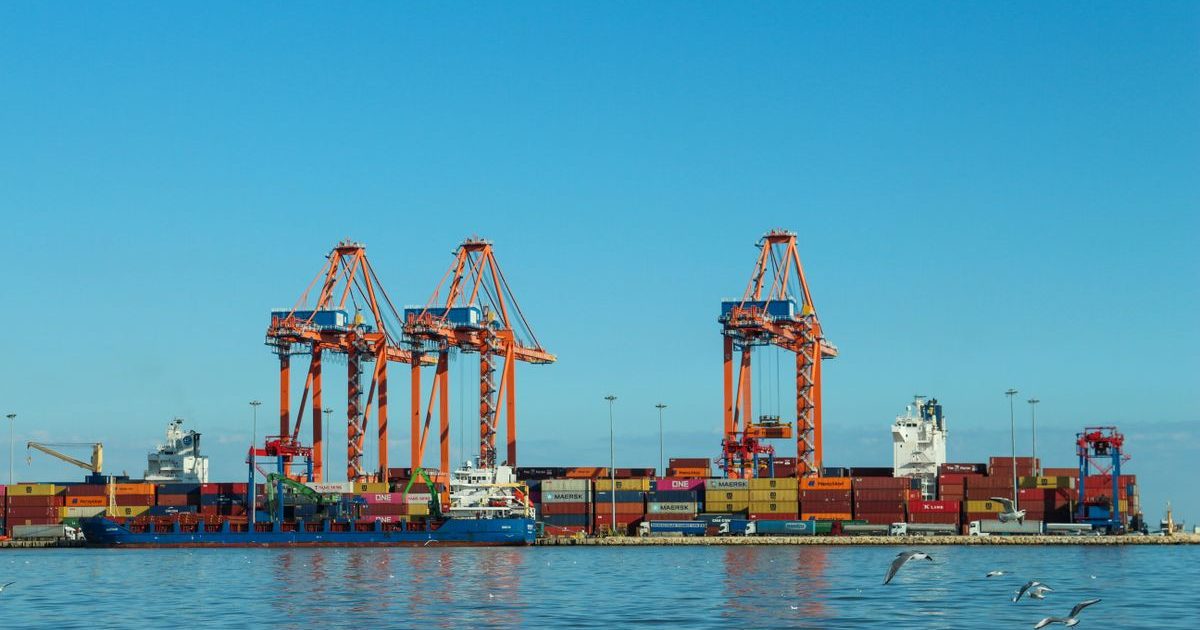
An uncleared vehicle remains seizable no matter how many resales, even if you knew nothing. It is the one defect that can cost you both the car and the money.
An uncleared vehicle in Cameroon is the worst purchase available. Of everything a used car can hide, only one defect can cost you both the vehicle and the money: the absence of proper customs clearance. A tired gearbox can be repaired. A seized vehicle cannot.
And contrary to common belief, the buyer's good faith does not protect the car.
Why the problem survives resales
Clearance attaches a debt and a legal status to the vehicle, identified by its chassis number — not to whoever holds it. A car that entered the country irregularly stays irregular after one resale, after five, and after ten years. Each successive buyer inherits the problem unknowingly.
That is what makes this defect so dangerous: it is invisible on the bodywork, it cannot be heard in the engine, and the seller may genuinely not know.
The most frequent situations
- A vehicle "undergoing clearance" sold before the procedure finishes, with a promise to supply documents later.
- A vehicle on a temporary regime — imported for a limited period, then sold locally when it should have left.
- An understated declared value: clearance exists but on a false basis, which can be challenged in a later audit.
- A chassis number that does not match across the vehicle, the registration and the clearance document.
Five checks before buying
Why the question never asks itself
Of 347 vehicles for sale on MotoNaMarket, only 52 state their customs position outright. In the vast majority of cases nobody will lie to you — but nobody will tell you either. It falls to the buyer to ask, to request the receipt and to match it against the chassis number. A seller acting in good faith has no reason to refuse.
Figures taken on 26 August 2026 from 347 active MotoNaMarket listings.
- Demand the clearance document, the original. A seller who does not have it must explain precisely why, and that explanation must be verifiable.
- Compare the chassis number character by character across the clearance document, the registration and the plate stamped on the vehicle. Frauds exploit similar characters: 0 and O, 1 and I, 5 and S.
- Inspect the number's mounting: fresh rivets, uneven stamping, a sanded or repainted area all need explaining.
- Add a VIN verification, which cross-checks the vehicle's identity.
- Be suspicious of the price. A vehicle well below market very often corresponds to this exact defect. Place the real price with the price estimator: a 30% gap is almost never a bargain.
Our full guide to checking the registration document and spotting scams covers every documentary check.
If you already own such a vehicle
The first rule is not to make it worse by reselling without disclosure: you would pass the problem on and take on liability yourself.
- Assemble the whole file: purchase invoice, sale agreement, registration, any existing import documents, and the ownership history if you know it.
- Establish the vehicle's real status through a licensed clearing agent, who can say whether regularisation is possible and at what cost.
- Cost the regularisation before deciding. The customs duty calculator gives the order of magnitude of duties and taxes owed, to compare against the vehicle's value; our clearance guide explains every line.
- Compare the cost of regularising with market value. On an older vehicle, the excise duties raised in 2026 can make regularisation cost more than the car.
- Document every step in writing. Evidence of good faith and active steps is worth far more than a situation simply endured.
Avoiding the problem from the start
Two routes sharply reduce the risk. First: buy from a verified seller whose identity and history are established. Second: import yourself and control the chain, as described in importing a car from Europe to Douala — you pay the duties, but you know what you have.
Either way, have the vehicle mechanically inspected in parallel: find a mechanic, apply the 12-point checklist, and browse cars for sale with these criteria in mind.
International tracking of stolen or re-identified vehicles is handled in part by Interpol, whose databases record reported vehicles — one more reason to verify chassis identity before any payment.
Frequently asked questions
What is the risk of buying an uncleared vehicle?
Seizure of the vehicle, regardless of how many resales have occurred and even if you knew nothing. Clearance attaches legal status to the vehicle identified by its chassis number, not to whoever holds it. It is the one defect that can cost you both the car and the money paid.
Does the buyer's good faith protect the vehicle?
It protects your personal position far better than negligence would, but it does not regularise the vehicle. The goods remain irregular until the duties are paid. That is why verification must happen before payment, not after.
How do I verify a vehicle was properly cleared?
Demand the original clearance document and compare its chassis number, character by character, with the registration and the number stamped on the vehicle. Also inspect the mounting: fresh rivets, uneven stamping or a sanded area need explaining.
Can an uncleared vehicle be regularised?
Sometimes, but you must first establish its real status through a licensed clearing agent, then cost the duties owed. On an older vehicle, the excise duties raised in 2026 can make regularisation cost more than the vehicle is worth: do the arithmetic before deciding.
Is a very low price linked to this problem?
Very often. A vehicle listed 30% below its equivalents nearly always hides an invisible defect, and unfinished clearance ranks at the top alongside ownership disputes. Establish the model's real price before you even travel, and treat any large gap as a signal rather than a bargain.
Related articles
- Axe Douala–Yaoundé : préparer sa voiture et rouler en sécurité sur le corridor
- Essuie-glaces et visibilité : le contrôle à cinq minutes avant la saison des pluies
- Vitres teintées au Cameroun : ce que le contrôle regarde et ce que ça change vraiment
- Vérification de la carte grise : repérer arnaques, compteur trafiqué et faux papiers