Tinted Windows in Cameroon: What Checks Look For and What Tint Really Does
MotoNaMarket Editorial Team · 2026-08-26
Tinting genuinely reduces heat — but not the way most people think, and not without trade-offs. Here is what gets checked, what works, and what becomes dangerous.
Tinted car windows look obvious under our sun, and the rules around them are less understood than the physics. It is also one of the least understood modifications: many drivers choose a very dark film expecting a cooler cabin, when a film's thermal performance has nothing to do with its darkness.
What tinting actually does
A film acts on three separate things:
- Visible light transmission — this is what makes a film look dark, and this is what a check looks at.
- Infrared rejection — this is what genuinely reduces perceived heat.
- UV blocking — which protects the trim, the dashboard and your skin.
A good film can be clear and highly effective thermally, while a cheap black film can badly reduce visibility while letting heat through. Always ask for the technical specification, not the shade.
What a roadside check looks at
The universal rule concerns the windscreen and front side windows, which must leave the driver visible and give them adequate vision. Rear windows are generally treated more leniently. In practice a check looks at three things: front window transparency, windscreen condition, and the absence of lifted or bubbled film distorting vision.
Keep the film's invoice and technical sheet in the vehicle with your other documents — our article on the paperwork to keep in order covers what gets asked for.
The real risks of film that is too dark
- Driving at night. This is the main risk and it is widely underestimated. Very dark film reduces your perception of pedestrians, unlit two-wheelers and unmarked obstacles — three daily realities on our roads.
- Manoeuvring and blind spots, particularly reversing and emerging from bends.
- Emergency services after an accident, who cannot see into the cabin.
- Resale. Badly fitted, bubbled or lifting film lowers the price; many buyers count it as removal work to budget for. Gauge the impact with the price estimator.
Alternatives that cool without darkening
The real tool against heat is already in the car
87% of the 347 vehicles for sale on MotoNaMarket advertise working air conditioning. So before darkening your glass to the point of risking a roadside check, it pays to repair or maintain what actually cools the cabin. A clear UV film, a sunshade and a clean condenser bring the temperature down without exposing you to an impound.
Figures taken on 26 August 2026 from 347 active MotoNaMarket listings.
- A high infrared-rejection, high light-transmission film — dearer, markedly more effective, and with no visibility compromise.
- A windscreen sunshade when parked: that is where most heat enters a stationary car.
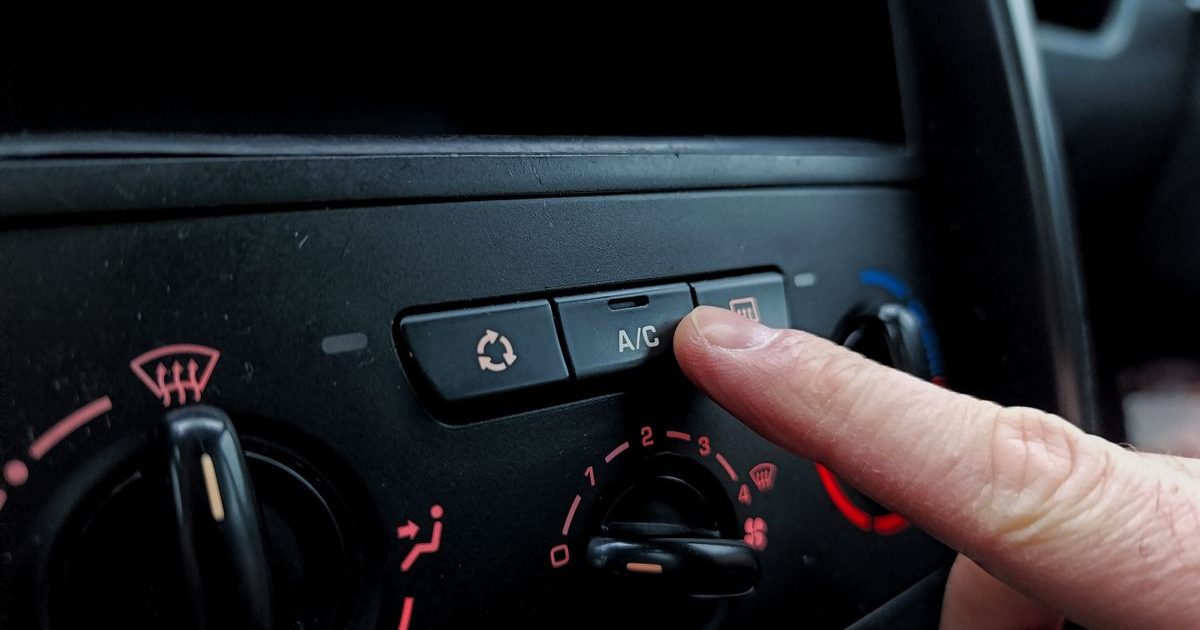
- Air conditioning in good order, which does more for comfort than any film. If yours is fading, read diagnosing AC without replacing the compressor.
- Parking in shade and cracking the windows for a few minutes before setting off, which clears the superheated air before the AC has to.
Getting film fitted properly
Badly fitted film shows immediately and ages badly: bubbles, lifting edges, purple after a few months. Insist on film with a reference and a warranty, fitting in a clean workshop, and respect the curing time before lowering the windows. Compare offers and get a written quote — find a professional near you, and check the parts and accessories marketplace.
When buying used
Very dark film can hide the real condition of the trim and dashboard. Open the doors, inspect in daylight, and check whether the film is lifting or has gone purple — that is removal work to budget for. Add this to the 12-point checklist, add a VIN verification and browse cars for sale. To protect a cabin long term, see also our guide to the right car for our roads.
Driver visibility is among the safety requirements governed by international vehicle safety programmes.
Frequently asked questions
Does darker film cool the cabin more?
No. Thermal performance depends on infrared rejection, not shade. A good-quality clear film can cut heat far better than a cheap black one while preserving visibility. Always ask for the technical specification rather than choosing on colour.
What do roadside checks look at on tinted windows?
Mainly the transparency of the windscreen and front side windows, which must leave the driver visible and give adequate vision, plus the absence of lifted or bubbled film distorting the view. Keep the film's invoice and specification with your vehicle documents.
Are tinted windows dangerous at night?
That is the main risk, and it is underestimated. Very dark film reduces your perception of pedestrians, unlit two-wheelers and unmarked obstacles — three daily realities on our roads. If you often drive at night, choose a clear, high infrared-rejection film.
Does tinting reduce resale value?
Quality film, well fitted and light, is neutral or even welcomed. Bubbled, lifting or purpled film lowers the price, because the buyer counts removal and refitting. It can also raise suspicion by hiding the real condition of the trim and dashboard.
How can I cool the car without darkening the windows?
A high light-transmission, high infrared-rejection film, a windscreen sunshade when parked, air conditioning in good order, and the habit of cracking the windows for a few minutes before setting off to clear superheated air. Those four do more than black film.
Related articles
- Axe Douala–Yaoundé : préparer sa voiture et rouler en sécurité sur le corridor
- Essuie-glaces et visibilité : le contrôle à cinq minutes avant la saison des pluies
- Voiture non dédouanée ou saisie au Cameroun : risques et que faire
- Vérification de la carte grise : repérer arnaques, compteur trafiqué et faux papiers