The Douala–Yaoundé Road: Preparing Your Car and Driving It Safely
MotoNaMarket Editorial Team · 2026-08-26
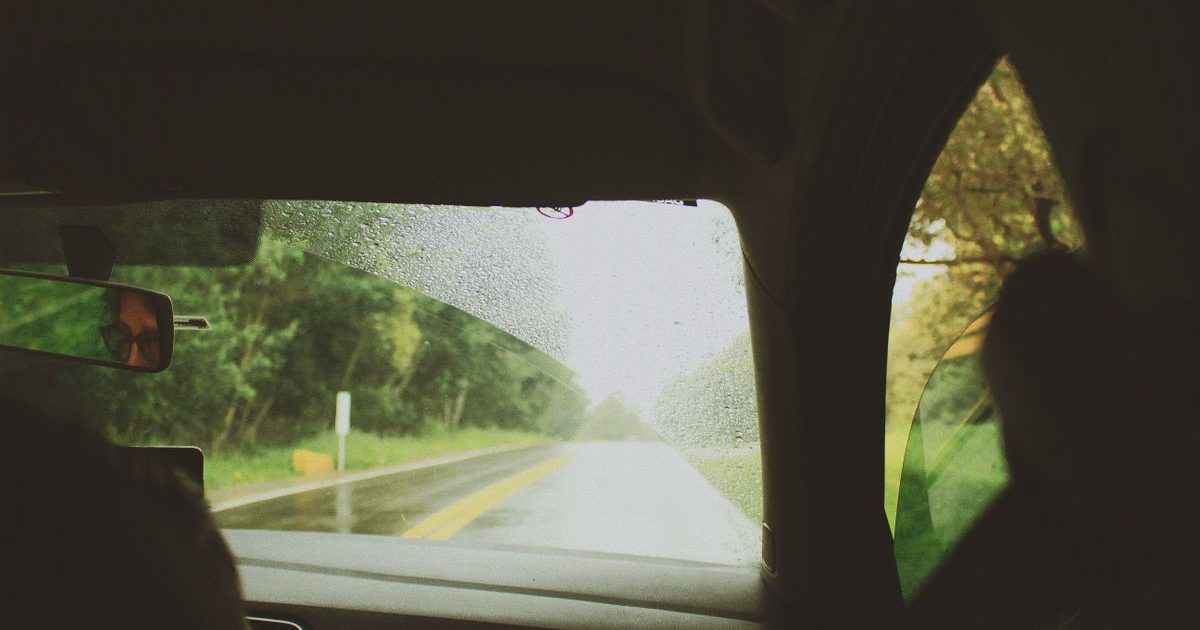
It is the country's busiest road and the one that wears vehicles hardest. Here is what it breaks first, the checks to run before leaving, and the rules that matter.
A Douala to Yaoundé road trip by car is the journey almost every Cameroonian driver ends up making. Heavy lorry traffic, uneven surfaces, violent rain in season, and driving that demands more attention than the distance suggests.
This journey wears cars in a specific way. Here is what it attacks first, and how to prepare.
What this corridor breaks first
The most travelled corridor in the car market
This drive is not a special case: 56% of the vehicles for sale on MotoNaMarket are in Douala and 43% in Yaounde. The overwhelming majority of cars bought in this country end up running this road — often on the day of sale, to reach their new owner. With a median 95 000 km on the clock and 53% SUVs, the preparation below is not excessive.
Figures taken on 26 August 2026 from 347 active MotoNaMarket listings.
- Suspension and tyres. Alternating good surface and sudden damage is the worst case for shocks, ball joints and rims: you reach the hole at speed. See suspension care and ball joints and control arms.
- The cooling system. Sustained load, heat, air conditioning running: any weakness declares itself here rather than in town. See radiator and coolant.
- The windscreen. Stones thrown up by lorries are the leading cause of chips — see repairing or replacing a windscreen.
- The brakes, worked by repeated slowing behind heavy vehicles.
Checks before leaving
- Tyres: cold pressures including the spare, and sidewall condition. A tired tyre that copes in town lets go at sustained speed.
- Fluid levels: oil, coolant, washer — and the fluid's appearance, not just the level.
- All lights, hazards included.
- Wipers, tested with water: in the rainy season visibility collapses in seconds. See the five-minute check.
- Brakes: noise, pedal feel, pulling under braking.
- Documents in order: registration, insurance, roadworthiness. See the paperwork to keep in order.
If any of these is in doubt, have it checked before you go rather than discovering it halfway: find a mechanic. Wear parts can be compared on the auto parts marketplace.
The rules that actually matter here
- Overtaking lorries is the principal danger. Never commit without full visibility, and remember a loaded lorry hides everything coming the other way.
- Following distance must be greater than in town: a lorry's braking ahead of you is unpredictable, and the surface can be slippery.
- Anticipate the damage rather than swerving at the last moment: a sharp swerve at speed is more dangerous than the hole itself.
- In rain, slow down decisively. Aquaplaning happens at lower speeds than people expect, especially on worn tyres.
- Avoid driving at night where possible: pedestrians, unlit two-wheelers and unmarked stationary vehicles are the major risks.
What to carry
An inflated spare and a checked jack, a warning triangle, a vest, a torch, water, and a way to reach someone. If you break down, get yourself to safety before attending to the vehicle, and signal well in advance — a poorly marked vehicle on this road is a genuine hazard.
Choosing a suitable vehicle
This corridor rewards cars with good ground clearance, mechanical simplicity and parts available everywhere — exactly the criteria set out in our guide to fuel-efficient and durable cars for our roads. If you are considering a vehicle for this kind of regular use, compare with the comparison tool, place the price with the price estimator and browse cars for sale, in Douala and Yaoundé.
Road safety is a public health issue documented by the FIA Foundation, which notes that speed and visibility remain the two decisive factors.
Frequently asked questions
What wears a car most on the Douala–Yaoundé road?
Suspension and tyres first, because of the alternation between good surface and sudden damage: you reach the hole at speed. Then the cooling system, loaded by sustained effort and heat, the windscreen exposed to stones from lorries, and the brakes.
What should I check before taking this road?
Cold tyre pressures including the spare, fluid levels and appearance, all lights, wipers tested with water, brakes, and documents in order. If any is doubtful, have it checked before leaving rather than discovering it halfway.
What is the main danger on this corridor?
Overtaking heavy lorries. A loaded lorry completely hides oncoming traffic, and the manoeuvre takes time. Never commit without full visibility. Following distances must also be greater than in town, since a lorry's braking ahead of you is unpredictable.
Should I avoid driving at night?
Where possible, yes. The major night risks are pedestrians, unlit two-wheelers and unmarked stationary vehicles. If you must drive at night, reduce speed, increase distances, and make sure your windscreen and wipers are immaculate to avoid dazzle.
What should I do if I break down on this road?
Get yourself to safety before attending to the vehicle, and signal well in advance with the triangle: a poorly marked vehicle on this road is a genuine hazard, to you and to others. Always carry a triangle, vest, torch, water and a way to reach someone.
Related articles
- Essuie-glaces et visibilité : le contrôle à cinq minutes avant la saison des pluies
- Vitres teintées au Cameroun : ce que le contrôle regarde et ce que ça change vraiment
- Voiture non dédouanée ou saisie au Cameroun : risques et que faire
- Vérification de la carte grise : repérer arnaques, compteur trafiqué et faux papiers