How to Import a Car from Europe to Douala Safely
MotoNaMarket Editorial Team · 2026-08-26
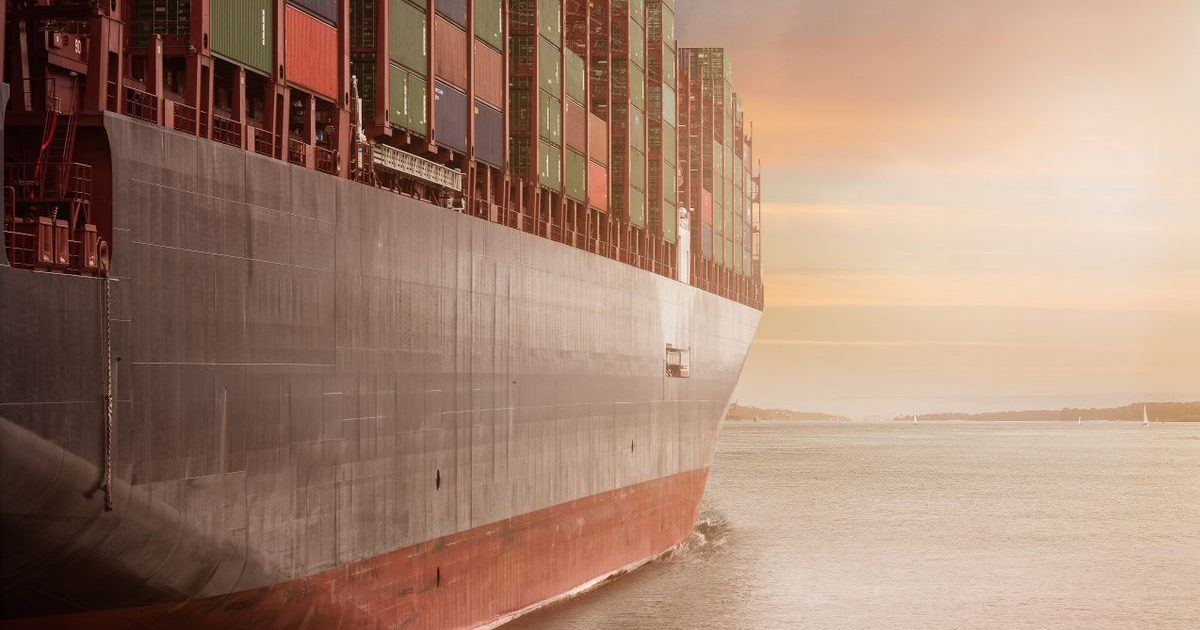
Imports rarely fail at customs. They fail because of an unchecked seller, a badly secured payment, or a missing document. Here is the sequence that works.
Importing a car from Germany or France to Douala works — thousands of vehicles arrive that way each year. What fails is almost never customs: it is the step before. An unchecked seller, a transfer sent too early, a forgotten document that pins the vehicle at the port while storage charges run.
Here is the sequence in order, with the points where money is lost.
1. Choose the vehicle with the tax in mind
Before you even look at listings, decide the age bracket. The excise duties raised in 2026 penalise older vehicles heavily: 12.5% beyond 12 years, 25% beyond 20 years, on top of customs duty and VAT. Vehicles under ten years old, by contrast, get more favourable treatment.
The practical consequence: a car advertised at €2,000 and eighteen years old can land in Douala costing more than a car at €4,500 and eight years old. Make that trade-off with the customs duty calculator before choosing, not after. Every line is broken down in our clearance guide.
2. Vet the seller first
This is where the most money is lost, and it costs nothing to do. A few non-negotiables:
- A verifiable identity: company name, registration number, physical address. A private individual reachable only through a messaging app is not a counterparty.
- Specific photos on request. Ask for a photo of the chassis number, the odometer, the engine bay cold, and the car with today's date written on a piece of paper. A seller who only ever sends catalogue photos probably does not have the car.
- A video call walking around the vehicle. Five minutes eliminates most fraud.
- The registration certificate (German Fahrzeugbrief or French carte grise) in the seller's name, legible.
3. Secure the payment
Never pay in full up front to a seller you have not met. Sound structures are:
- a modest deposit then the balance against the shipping documents;
- payment on loading, against the bill of lading;
- or going through an established buying agent on commission, who inspects the vehicle for you.
Be wary of instant money-transfer requests to a private individual, of a "shipper" demanding an unexpected supplement before loading, and of any price clearly below market: in a liquid European market, a spectacular bargain is nearly always a fraud.
4. Choose the shipping method
RoRo (roll-on / roll-off)
The car is driven onto the ship and travels on a deck. Cheapest and most common. The trade-offs: the vehicle must be drivable, it travels empty (no personal effects inside), and it is more exposed to minor damage and to accessories going missing.
Container
More expensive, but the vehicle is enclosed, protected, and can travel non-running. A 40-foot container shared between two vehicles brings the premium down to a reasonable level. It is the right choice for a valuable or recent vehicle, or when you want to ship spare parts at the same time.
5. Assemble the documents — the real cause of hold-ups
An incomplete file immobilises the vehicle while port storage charges accumulate. Prepare:
- the detailed purchase invoice;
- the original registration certificate;
- the bill of lading;
- the transport insurance certificate;
- the import declaration, filed before the vehicle arrives;
- your identity document and tax details.
Check that the chassis number is strictly identical across every document and on the vehicle itself. A single character difference is enough to stall a file.
6. Arrival and the scanner
Since 10 January 2026 every imported vehicle must pass through the inspection portals before leaving the Port of Douala area. Files routed through the green channel get accelerated treatment without physical examination.
Use a licensed clearing agent. This is not a formality: they know the circuit, anticipate what customs will ask for, and avoid the idle days that cost far more than their commission.
7. Recommissioning on arrival
A vehicle that has stood for weeks and crossed the equator always needs recommissioning: battery, tyre pressures and condition, oil change, filters, hoses and air conditioning checked. Budget for it from the start — it is a certain expense, not a surprise.
Have the car inspected as it leaves the port: find a mechanic near you and get a full condition report before you drive it.
Is it always the right decision?
The benchmark, in numbers
An import only makes sense if it beats the local market in the same band. Right now a 2015 to 2019 car sells here for around 15 000 000 FCFA (median across 85 listings), showing 87 000 km. Put your full landed cost — purchase, freight, duty, clearing, recommissioning — next to that number before you commit. If it does not come in clearly below, buying locally saves you three months and the entire shipping risk.
Figures taken on 26 August 2026 from 347 active MotoNaMarket listings.
Not automatically. Always compare the total landed cost with what the same model already fetches in Cameroon using the price estimator, and read our comparison of European imports versus local used cars. If the gap is small, buying locally saves you six to eight weeks and most of the risk. To browse what is already available, see cars for sale in Cameroon or our imported cars section.
Frequently asked questions
How long does it take to import a car from Europe to Douala?
Generally four to eight weeks between purchase and leaving the port: two to four weeks at sea depending on the line, plus clearance. A complete document file is what makes the biggest difference to that timeline.
RoRo or container: which should I choose?
RoRo is cheaper and fine for a running vehicle of average value. A container protects better, accepts a non-running vehicle and lets you ship parts alongside the car; shared between two vehicles the premium becomes reasonable. For a recent or valuable vehicle, choose the container.
How do I avoid scams when buying in Europe?
Insist on a video call around the car, a photo of the chassis number, and a photo of the vehicle with today's date handwritten. Never pay in full up front: a modest deposit, then the balance against the bill of lading. A price well below the European market is the most reliable warning sign.
Which documents are essential for clearance?
The detailed purchase invoice, the original registration certificate, the bill of lading, the transport insurance certificate and the import declaration. The chassis number must be strictly identical across all of them and on the vehicle.
Should I avoid very old vehicles?
Since 2026, in most cases yes. Excise duty reaches 12.5% beyond 12 years and 25% beyond 20 years. A very cheap car at purchase can therefore land in Douala costing more than a newer vehicle in better condition.
Related articles
- Âge limite d'importation des voitures en Afrique : les règles pays par pays (2026)
- Frais de dédouanement d'une voiture au Cameroun : le guide 2026 étape par étape
- L'Afrique du Sud construit des voitures : pourquoi les siennes n'arrivent pas chez nous
- D'où viennent vraiment les voitures d'occasion importées au Cameroun