Your Engine Is Burning Oil: When Should You Worry?
MotoNaMarket Editorial Team · 2026-08-26
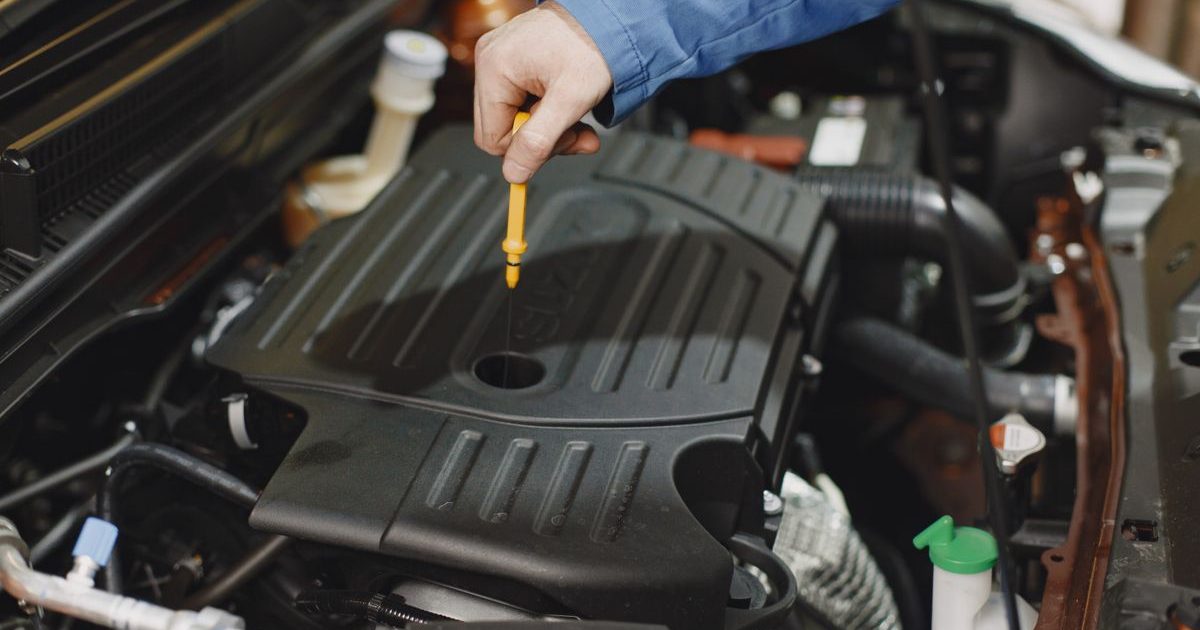
Every engine uses some oil. The question is not whether yours does, but how much — and the answer changes the diagnosis entirely.
"It burns oil" is a phrase that panics buyers and drives prices down. Yet every engine uses some oil: it lubricates the cylinder walls, and a fraction inevitably burns with the fuel.
The real question is not whether the engine uses oil, but how much — and above all what that reveals.
Measure properly, first
A reliable measurement needs method:
- Top up to the maximum mark, engine cold, on level ground.
- Note the mileage.
- Drive normally for 1,000 km.
- Check again cold, on level ground, and note how much it takes to return to maximum.
Checking hot, on a slope or straight after switching off distorts the reading completely — many "heavy consumers" are measurement errors.
The threshold
At what age the question really arises
The threshold depends on engine age, and the local fleet sits squarely in the affected zone: the median car for sale on MotoNaMarket is a 2014 with 95 000 km, and the Corolla — the site's most listed model alongside the RAV4 — has a median year of 2006. Moderate oil consumption on a twenty-year-old engine is not a fault, it is a condition. What matters is the trend, not the absolute figure.
Figures taken on 26 August 2026 from 347 active MotoNaMarket listings.
An occasional top-up between oil changes is normal, particularly on an older or hard-worked engine. Having to add oil every few hundred kilometres, or seeing the level drop with no explanation, is outside normal and needs diagnosis.
Two simple rules: never run below the minimum mark, and never exceed the maximum — too much oil is as harmful as too little, because the crankshaft whips it into foam.
Five causes, simplest to heaviest
- An external leak. Look under the car and in the engine bay: rocker cover gasket, sump, a badly tightened filter. It is the commonest and cheapest cause — and it produces no smoke.
- Oil too thin for the engine. An unsuitable grade in a worn engine noticeably increases consumption. See our guide to viscosity and the right grade.
- A clogged crankcase ventilation system. A cheap part with an immediate effect when blocked: internal pressure pushes oil towards the intake.
- A tired turbo. Its seals let oil through to the intake — bluish smoke, especially when getting back on the throttle.
- Worn rings or valve guides. This is the heavy cause: blue smoke cold or on the overrun, falling compression. It is confirmed by a compression test, not by an opinion.
What the smoke tells you
- Blue — oil is burning: rings, guides or turbo.
- Thick persistent white with a sweetish smell — that is coolant, not oil: see head gasket.
- Black — mixture too rich, a fuel-side issue: see fuel pump and injectors.
Why it is more common here
Heat thins oil and accelerates oxidation, traffic keeps the engine running while the odometer does not move, and dust wears the cylinders if the air filter is saturated. That is why real oil-change intervals are shorter than in Europe, and why the air filter matters as much as the oil.
When buying used
Check the oil level and appearance cold, insist on a cold start, and watch the exhaust cold then warm. A seller who topped up just before your visit masks the problem temporarily — hence the value of a long test drive and an independent check: find a mechanic. Add these to the 12-point checklist, price the repair with the price estimator, compare oils and filters on the auto parts marketplace and browse cars for sale.
Oil quality classifications are defined by the American Petroleum Institute.
Frequently asked questions
How much oil consumption is normal?
An occasional top-up between oil changes is normal, especially on an older or hard-worked engine. Having to add oil every few hundred kilometres, or a level dropping with no explanation, is outside normal and warrants diagnosis.
How do I measure oil consumption properly?
Top up to maximum with the engine cold on level ground, note the mileage, drive 1,000 km, then check again cold and level. Checking hot, on a slope or right after switching off distorts the reading: many 'heavy consumers' are measurement errors.
Does blue smoke mean the engine is finished?
Not necessarily. Blue smoke does mean oil is burning, but the cause can be a tired turbo or a clogged crankcase ventilation — far lighter repairs than piston rings. A compression test settles it, and should precede any engine rebuild quote.
Can I use thicker oil to compensate?
On an older, worn engine a slightly thicker grade can genuinely reduce consumption. On a recent engine designed around thin oil it is a mistake that lowers pressure at the fine points and can cause timing faults. Always start from the specified grade.
Why is oil consumption more common in Cameroon?
Heat thins the oil and accelerates oxidation, traffic keeps the engine running while the odometer stands still, and dust wears the cylinders when the air filter is saturated. That is why real intervals are shorter here, and why the air filter matters as much as the oil.
Related articles
- Pompe à essence et injecteurs au Cameroun : quand le carburant encrasse le moteur
- Rotules, triangles et silent-blocs : les pièces que les nids-de-poule tuent en premier
- Joint de culasse au Cameroun : les signes, le coût et quand il vaut mieux vendre
- Radiateur, durites et liquide de refroidissement : l'entretien qui évite la casse