Hybrid vs Electric vs Petrol: Is Green Mobility Viable in Cameroon?
MotoNaMarket Editorial Team · 2026-08-26
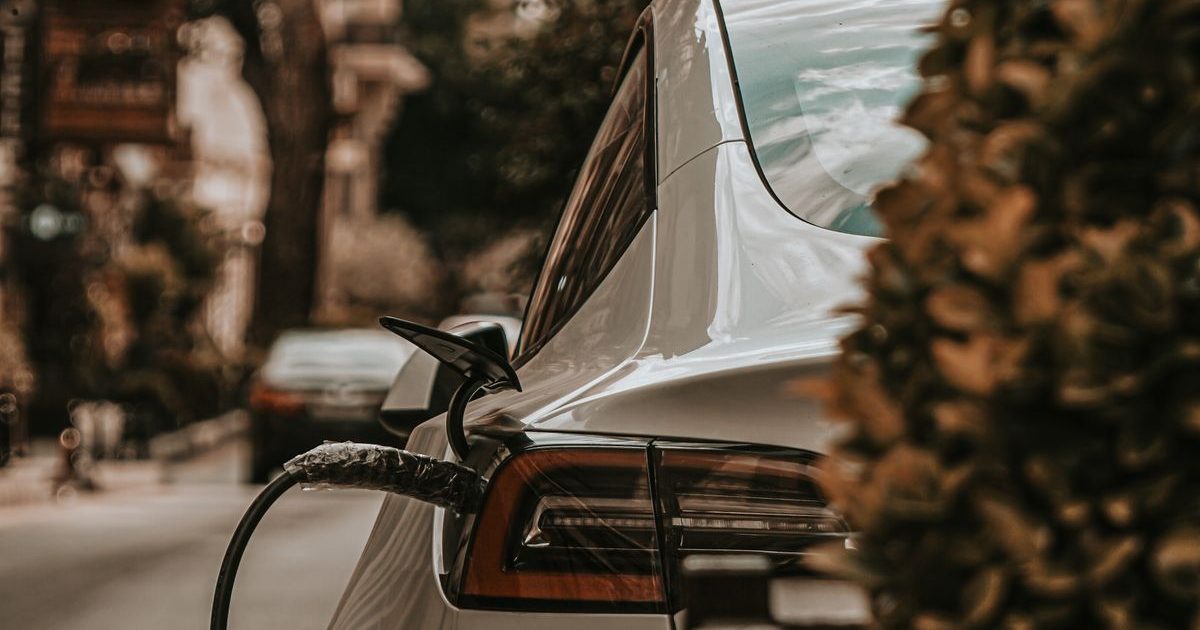
Electric runs into charging, not technology. A hybrid needs nothing but a petrol pump. Here is the honest assessment for Douala and Yaoundé.
The question comes up more and more: should you move to a hybrid or an electric car in Cameroon? The short answer is that these are two completely different questions, and there is a lot to gain from not conflating them. One depends on infrastructure that does not yet exist everywhere. The other depends on nothing but a petrol pump.
Hybrid: the option that already works
A conventional (non plug-in) hybrid never plugs in. It recovers energy under braking, stores it in a small battery, and uses it to assist the combustion engine or to creep a few hundred metres at low speed. You refuel normally, at any station.
Why it fits here particularly well
A hybrid delivers its best efficiency exactly where a conventional car delivers its worst: in dense traffic, stationary, with constant restarts. Douala and Yaoundé traffic is the ideal terrain. At stabilised highway speed the advantage shrinks sharply — a hybrid on a long run uses little less than a well-tuned modern petrol car.
In practice: the more urban and congested your use, the more a hybrid pays. The more open road you cover, the less the premium is justified.
The caveats to know
- The traction battery. It ages, and its life depends heavily on temperature. In our climate the battery's thermal management matters more than mileage. On a used hybrid, have the battery's state of health tested before buying: it is the one check that really counts.
- Replacing that battery is the model's major expense. Find out its price and availability before buying, not when it starts to fade.
- Local competence. Not every garage works on high-voltage systems. Check that a workshop near you can — find a mechanic and ask directly.
Electric: the technology is not the problem
A modern electric car works perfectly well in our climate, and the International Energy Agency documents adoption accelerating worldwide. What blocks it is three very real constraints.
1. Charging
The public charging network remains very limited. In practice, electric is only realistic today if you can charge at home or at work, on a properly sized installation. An ordinary domestic socket charges slowly and is not designed to deliver several kilowatts for hours: having a reinforced socket or a wallbox fitted by a qualified electrician is not an option, it is a safety condition.
2. Grid stability
This is the point international comparisons ignore entirely. Frequent outages turn journey planning into a permanent exercise. If you have a backup source or a properly sized solar installation, the equation changes radically — and that combination is in fact the most promising medium-term route in Cameroon.
3. Service and parts
Few workshops are equipped and certified to work on high-voltage systems. Downtime can be long. As with any recent technology, ask before buying: who repairs it, where, and what is the lead time for a part?
What works in its favour
Cost per kilometre is markedly lower if your electricity is reliable, maintenance is simpler (no oil changes, no clutch, regenerative braking that spares the pads), and the tax position is improving: the 2026 finance law provides specific reductions or exemptions for electric vehicles on import. That is a real parameter — check it with the customs duty calculator and read our clearance guide.
Petrol: still unbeatable on one thing
Honesty requires it: on freedom of use, petrol is still ahead. You refuel anywhere in five minutes, any mechanic knows the mechanicals, parts exist at every price, and the car resells without discussion. For mixed city-and-province use away from the main corridors, it remains the most rational choice.
Our guide to fuel-efficient and durable cars for our roads covers the cheapest models to own.
The decision table
What the local market actually offers
As this is written, out of 347 active listings, 9 vehicles are hybrids and 0 are fully electric. That is the most honest answer to "is it viable?": hybrids already exist and can be found, while electric remains a pioneer's choice you will have to import and maintain yourself. Check the ratio yourself by filtering on fuel type in the car listings — it moves from year to year.
Figures taken on 26 August 2026 from 347 active MotoNaMarket listings.
- You drive mostly in town, in traffic, over 15,000 km a year → a hybrid is currently the best compromise in Cameroon. Have the battery tested if the car is used.
- You have reliable home charging, a predictable daily commute and a second car for long trips → electric is viable, and cost per kilometre will be the lowest.
- You drive in the provinces, over variable distances, or you have no controlled charging → petrol, without hesitation.
- You change car every three years → watch the resale: the used hybrid and electric market is still thin here, so depreciation is hard to predict.
What to check before buying a used hybrid or EV
- Battery state of health (remaining capacity), evidenced by a diagnostic, not by the seller's word.
- Service history of the high-voltage system.
- Price and lead time for a traction battery replacement.
- A competent workshop within a reasonable distance of you.
- Paperwork and customs clearance, as with any vehicle — see checking the paperwork.
To compare two powertrains on the same model, use the comparison tool, and to place a price, the price estimator. Available vehicles are among the cars for sale in Cameroon.
Frequently asked questions
Are electric cars viable in Cameroon today?
They are if you can charge at home or at work on a properly sized installation, if your daily journey is predictable, and ideally if you have a second car for long trips. The public charging network is still very limited and power cuts complicate planning. The technology is not the obstacle — the infrastructure is.
Is a hybrid worth it in Douala traffic?
That is precisely its best terrain. A hybrid recovers energy under braking and avoids idling the engine, so it performs best exactly where a conventional car performs worst. At stabilised highway speed, by contrast, the gap with a modern petrol car narrows sharply.
How long does a hybrid battery last in a hot climate?
Its life depends more on thermal management than on mileage, and heat accelerates ageing. On a used vehicle, do not rely on the seller's word: get a state-of-health diagnostic, and find out the price and lead time for a replacement before buying.
Are there tax advantages for importing electric vehicles?
Yes. The 2026 finance law provides specific reductions or exemptions for electric vehicles, along with more favourable treatment for vehicles under ten years old. That can change the landed cost appreciably: check your own case with the customs duty calculator before committing to a vehicle abroad.
Can I charge an electric car from an ordinary domestic socket?
Technically yes, but very slowly, and an ordinary socket is not designed to deliver several kilowatts for hours — the overheating risk is real. Have a reinforced socket or a wallbox fitted by a qualified electrician: it is not a convenience, it is a safety condition.
Related articles
- Mettre sa voiture en location au Cameroun : combien ça rapporte vraiment
- Voitures chinoises au Cameroun (BYD, Jetour, Soueast) : prix, pièces et fiabilité
- Importer une voiture au Nigeria : comment fonctionne le régime douanier
- Importer une voiture au Kenya : la règle des 8 ans expliquée (2026)