VIN and Chassis Number in Cameroon: Check a Used Car Against Theft, Accident and Fraud
MotonaMarket Editorial · 2026-06-21
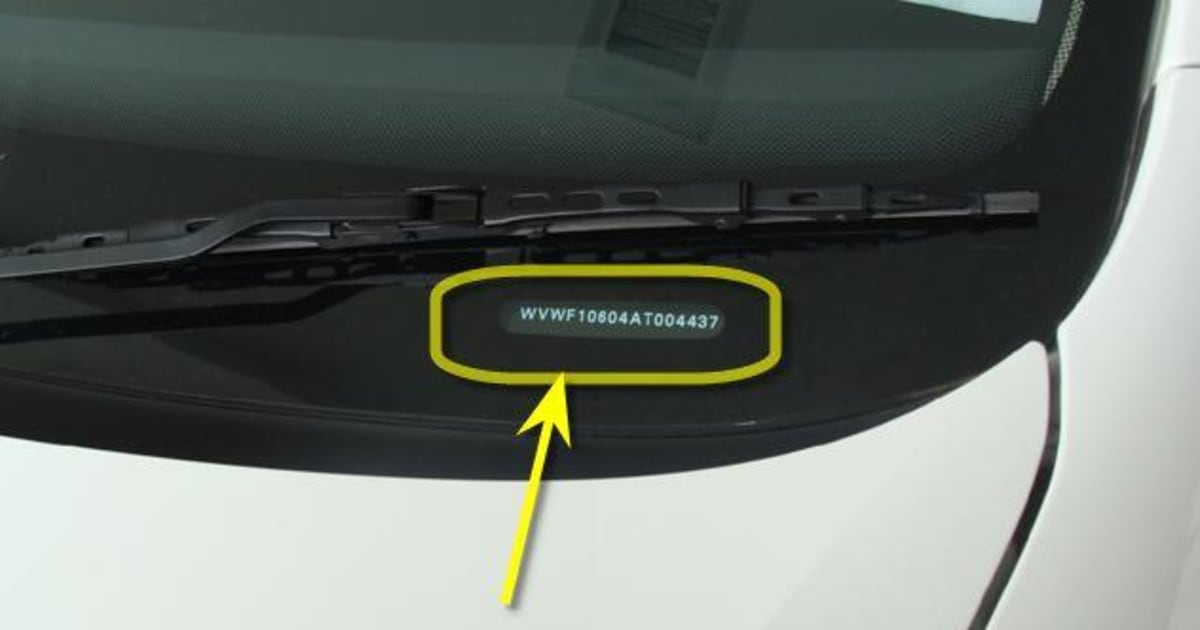
The VIN is the car's identity. If it does not match, the purchase should stop immediately.
VIN and Chassis Number in Cameroon: The Anti-Fraud Check Before Buying
The chassis number, often called VIN, is a car's technical identity. It connects the vehicle to its documents, history, model and sometimes recalls. In Cameroon, where many cars are imported or resold several times, checking it is not paperwork; it is protection.
Tools such as the NHTSA VIN decoder show how a VIN can identify a vehicle. For a local purchase, the goal is simpler: make sure the car in front of you matches the papers.
1. Compare Every Location
Check the VIN on the registration card, behind the windshield, on the door pillar, in the engine bay and sometimes on the chassis. Locations vary by model. The characters must match exactly.
Before paying for one of the used cars in Cameroon, add this check to the used-car buying checks. A single difference needs explanation before negotiation.
2. Watch Suspicious Plates and Rivets
A scratched, repainted, badly riveted or hard-to-read VIN plate should warn you. It does not always prove fraud, but it requires verification. On an accident-repaired car, some parts may have been replaced, making identification harder.
If buying remotely, request a clear VIN video. The guide to buying a car remotely explains why visual proof must be continuous and readable.
3. Importation and History
For an imported car, the VIN should match original documents, customs papers and registration. Read the guide to importing a used car into Cameroon. The UNEP used-vehicles report highlights why transparency matters in importing markets.
A coherent VIN does not guarantee a perfect car. It only removes part of the risk. You still need to check mileage, accident damage, engine, gearbox and electronics.
4. Payment and Safety
Do not pay a deposit until the VIN, seller identity and documents make sense together. If the seller pushes for speed, slow down. On MotonaMarket, a good transaction should remain verifiable.
5. What the VIN Does Not Replace
A matching VIN does not replace mechanical inspection. It does not always tell you whether the gearbox is tired, the engine overheats or the clutch is worn. Combine the chassis check with a road test, electronic scan and invoice review.
If the car is a Toyota, Nissan, Hyundai or another common brand, also look for manufacturer information and manuals where available, for example through Toyota Owners. The more precisely you know the version, the harder it is for the seller to stay vague about year, engine or origin.
Conclusion
The VIN is a small detail that can prevent a big mistake. A car with clear papers, matching numbers and a transparent seller inspires confidence. If the chassis number creates more questions than answers, look for another car.
6. The Simple Habit
Take photos of the VIN and documents during the visit, then compare them calmly before payment. If a mechanic is with you, ask them to inspect welds, chassis rails and repainted areas. The chassis number gives identity; the bodywork often tells the story.
Frequently Asked Questions
Where can I find the VIN?
On the registration card, windshield, door pillar, engine bay or chassis depending on the vehicle.
What if two VINs differ?
Stop the purchase and request official verification. A mismatch can indicate fraud, error or accident history.
Does a VIN check everything?
No. It helps identify the vehicle, but mechanics, documents and history still need inspection.
Should I check before deposit?
Yes. Do not pay a deposit before VIN, papers and seller identity match.
Related articles
- Mercedes ML et GLE d'occasion au Cameroun : prix, pannes connues et vérifications
- Toyota Corolla d'occasion au Cameroun : « 110 », « 115 », E120… quelle génération acheter ?
- Toyota RAV4 d'occasion au Cameroun : quelle génération acheter, à quel prix ?
- Combien vaut ma voiture au Cameroun ? Estimer un prix de revente défendable