Long-Term Car Rental in Cameroon: Lease or Buy a Vehicle for Your Business?
MotonaMarket Editorial · 2026-06-21
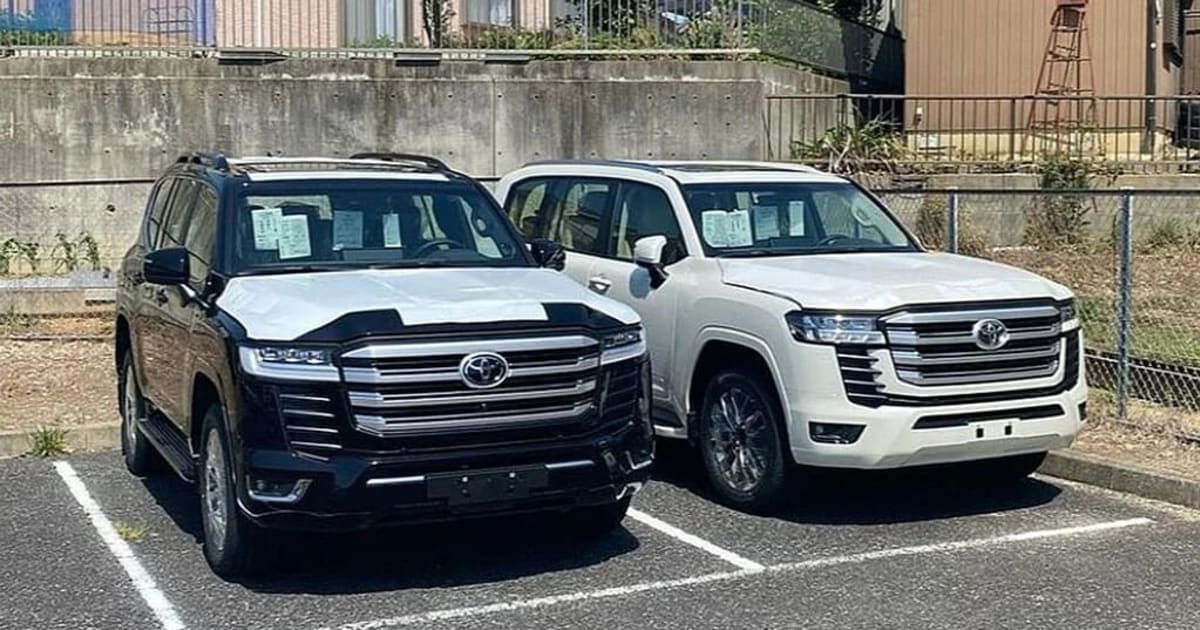
For a business, ownership is not always the best choice. Cash flow and usage decide.
Long-Term Car Rental in Cameroon: Lease or Buy for Your Business?
A business that needs a vehicle often thinks first about buying. Yet for an SME, NGO, agency, delivery activity or sales team, long-term rental can sometimes protect cash flow better. The right choice depends less on ownership pride than on real use.
2026 shopping advice reported by AP/Edmunds emphasizes total cost rather than only monthly payment. The same logic applies in Cameroon: buying, financing and rental must be compared on fuel, maintenance, insurance, downtime and resale.
1. Why Rent Long Term?
Long-term rental turns a large investment into a regular cost. That helps when the business prefers to keep capital for stock, salaries or growth. It may also include maintenance or insurance depending on the contract.
Always compare with car financing in Cameroon. A loan may make sense, but it ties the company to an asset that loses value.
2. When Buying Is Better
Buying remains logical if you keep the car for a long time, have a good mechanic, choose a model with resale demand and use it heavily. On used cars in Cameroon, choose a simple, strong and easy-to-maintain model.
Your total car ownership cost must include tires, servicing, insurance, breakdowns, driver, parking and resale.
3. Contract Clauses to Read
In a long-term rental contract, check mileage allowance, penalties, included maintenance, tires, replacement vehicle, insurance, deductible and return condition. A low monthly price with heavy penalties can become expensive.
If the car is used by salespeople or delivery drivers, add tracking. The guide on fleet GPS in Cameroon shows why usage control reduces abuse and improves safety.
4. Insurance, Image and Continuity
A company car immobilized by repairs wastes time. Rental can help if assistance and replacement are included. Digital car insurance still needs checking, especially with multiple drivers.
5. Decide With Numbers
Build a simple table: deposit, monthly payment, insurance, maintenance, tires, fuel, GPS, driver, downtime, resale and penalties. Then compare three scenarios: cash purchase, loan and long-term rental. The result can surprise you, especially if the business needs to preserve cash.
Global fleet-efficiency and transition trends tracked by the IEA show that companies should think in terms of usage, energy and renewal. Even without an electric fleet, the logic applies: a vehicle should support the business, not lock up capital unnecessarily.
Conclusion
For a Cameroonian business, leasing or buying is not about prestige. It is about cash flow, predictability and risk. Put the numbers over twelve, twenty-four and thirty-six months. The right vehicle works without choking the business.
6. The Misused Vehicle Trap
A company vehicle may be driven by several people, overloaded or used on weekends without control. Whether you rent or buy, define written rules: authorized driver, fuel, maintenance, washing, mileage and accident reporting. Discipline protects profitability.
If the activity is seasonal, rental can also avoid keeping a car unused for months. Conversely, if the vehicle runs every day all year, buying may become better again.
Frequently Asked Questions
Is long-term rental suitable for SMEs?
Yes if the business wants cash-flow control, less capital tied up and predictable costs.
Is buying still useful?
Yes if the business keeps the vehicle long, drives a lot and manages maintenance and resale well.
What should I compare in a contract?
Mileage, insurance, maintenance, tires, replacement vehicle, penalties and return condition.
Do I need fleet GPS?
For several vehicles, yes. It helps control use, safety, fuel and maintenance.
Related articles
- Votre moteur consomme de l'huile : à partir de quand faut-il s'inquiéter ?
- Pompe à essence et injecteurs au Cameroun : quand le carburant encrasse le moteur
- Rotules, triangles et silent-blocs : les pièces que les nids-de-poule tuent en premier
- Joint de culasse au Cameroun : les signes, le coût et quand il vaut mieux vendre