Manual Car Clutch in Cameroon: Symptoms, Road Test and Budget Before Buying
MotonaMarket Editorial · 2026-06-21
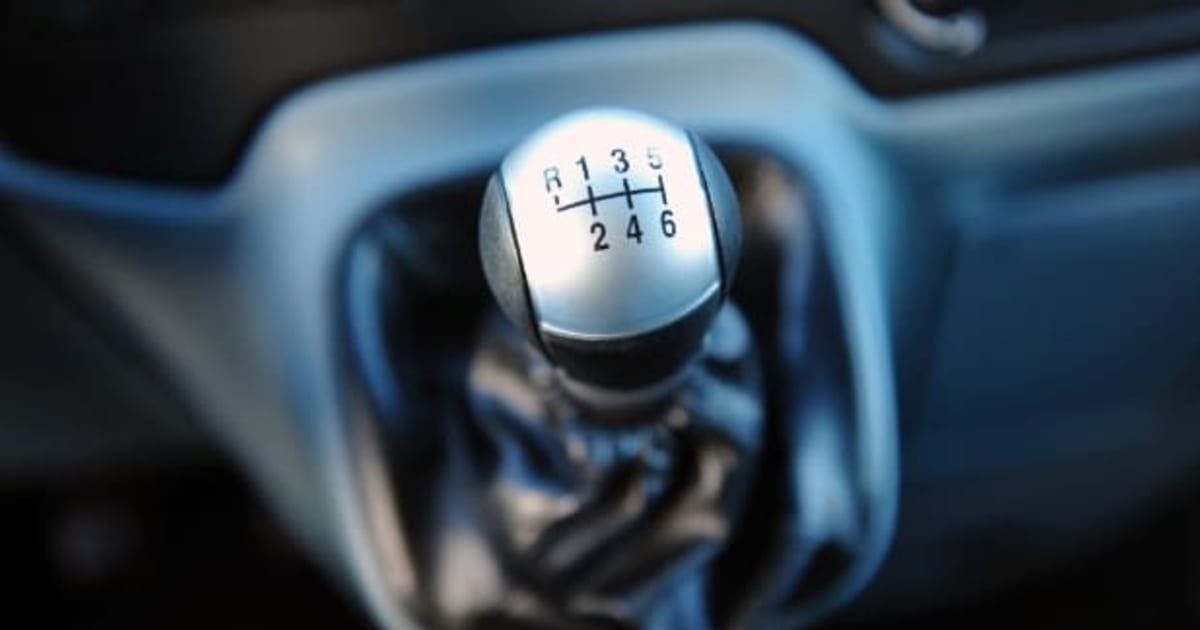
A worn clutch can turn a good used car into an immediate repair bill. Here is how to spot it before paying.
Manual Car Clutch in Cameroon: The Test to Do Before Buying
On a used manual car, the clutch is one of the easiest parts to overlook and one of the most annoying to pay for just after purchase. In Douala, Yaounde or Bafoussam, traffic, hill starts, rough roads and multiple drivers can quickly wear the clutch disc, release bearing and pressure plate.
Africa’s used-car market relies heavily on vehicles already used elsewhere, making inspection essential. The UNEP used-vehicles report highlights why imported vehicle quality matters. For a Cameroonian buyer, the practical rule is simple: do not pay for a manual car without testing the clutch.
1. Why the Clutch Can Ruin a Good Deal
A seller may show a clean car, shiny paint and quiet engine. But if the clutch slips, the bill arrives immediately. Before comparing used cars in Cameroon, add clutch checks to the same list as tires, gearbox and engine.
Review the 10 checks before buying a used car. On a manual, always request a road test long enough to use every gear, drive in town, reverse and test a hill.
2. Symptoms to Hear and Feel
A worn clutch may slip, judder, smell burnt, make the pedal heavy or create noise when pressed. If engine revs rise without matching acceleration, the disc may be tired. If first gear or reverse is difficult, the gearbox or clutch needs diagnosis.
The ideal mileage for a used car helps, but it is not enough. A low-mileage car used mainly in town can wear a clutch faster than a higher-mileage car that spent more time on open roads.
3. Do a Methodical Road Test
Start gently in first gear. The car should move without heavy shaking. Then use third gear at low speed and accelerate gradually. On a hill, check for burnt smell and pedal vibration. In traffic, observe how progressive the clutch feels.
If the seller refuses a road test, treat that as a warning sign. A static inspection is not enough. Maintenance resources from manufacturers and suppliers such as Bosch Auto Parts also show that real symptoms matter in diagnosis.
4. Negotiate With a Quote, Not a Feeling
If the clutch shows fatigue, get a quote before negotiating. Cost depends on model, parts availability and labor. Avoid doubtful parts: MotonaMarket’s guide on genuine parts and counterfeits explains why quick savings can cost twice.
Add the repair to your total car ownership cost. A cheaper car that is immobilized for a week may be more expensive than a better-maintained one.
5. When to Walk Away
Walk away when several faults appear together: slipping clutch, crunchy gearbox, smoke, unclear documents and no price flexibility. On MotonaMarket, continuing the search is better than buying a mechanical emergency.
Conclusion
The clutch is not a detail. It is the link between engine and road, and in Cameroon it works hard. A serious road test, clear repair quote and calm negotiation can save you from a repair in the first week.
Frequently Asked Questions
How do I know if the clutch is slipping?
Accelerate in third or fourth gear: if revs rise but the car does not pull properly, the clutch may be slipping.
Is a heavy clutch serious?
It can indicate a tired cable, pressure plate or release bearing. Diagnose it before buying.
Should I buy a car needing clutch work?
Only if the price clearly drops and you already have a realistic repair quote.
Is a road test essential?
Yes. Clutch faults often appear when starting, climbing hills, in traffic and during acceleration.
Related articles
- Mercedes ML et GLE d'occasion au Cameroun : prix, pannes connues et vérifications
- Toyota Corolla d'occasion au Cameroun : « 110 », « 115 », E120… quelle génération acheter ?
- Toyota RAV4 d'occasion au Cameroun : quelle génération acheter, à quel prix ?
- Combien vaut ma voiture au Cameroun ? Estimer un prix de revente défendable