OBD2 Scanner in Cameroon: Reading an Engine Light Before Buying a Used Car
MotonaMarket Editorial · 2026-06-21
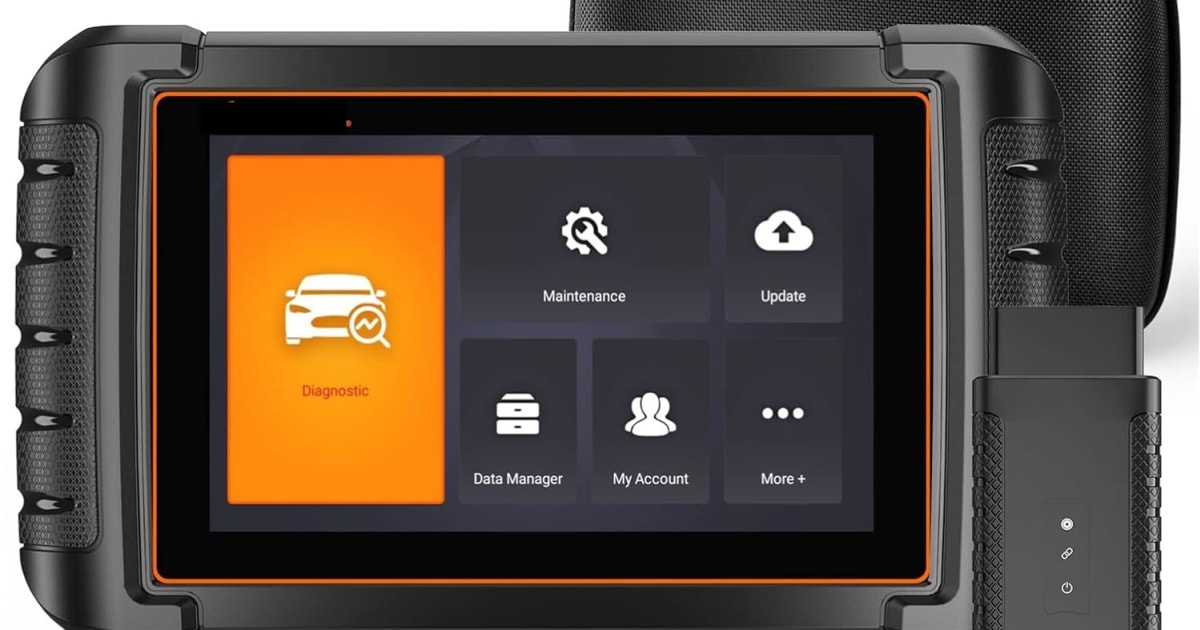
A small scanner can prevent a big mistake, if you understand what it says and what it does not say.
OBD2 Scanner in Cameroon: Useful Before Buying, but Not Magic
The engine light is one of the most discussed topics when buying a used car in Cameroon. Some sellers say it is “nothing.” Others erase the fault just before the visit. An OBD2 scanner can help the buyer regain control, but only if its limits are understood.
OBD systems monitor emissions and several engine functions; the US EPA explains the principle of onboard diagnostics. In Cameroon, the value is practical: before paying, it helps you ask better questions.
1. What a Scanner Can Reveal
A scanner can read codes linked to oxygen sensors, catalyst, airflow meter, ignition, fuel system or several sensors. If you read the guide on the oxygen sensor and engine light, you already know that a small sensor can increase fuel use.
Before choosing among used cars in Cameroon, plan a scan on modern models. It is especially useful for imported cars, hybrids and vehicles with a lot of electronics.
2. What It Cannot Guarantee
A scanner does not always see a tired gearbox, worn suspension, slipping clutch or accident damage. It may also show no code if the battery was disconnected or faults were recently cleared.
That is why the 10 checks before buying a used car remain essential. Electronic diagnosis supports the road test; it never replaces it.
3. Watch for Cleared Codes
If readiness monitors are not complete, codes may have been cleared recently. In that case, request a longer drive or come back after more kilometers. An honest seller will accept serious verification.
The ideal mileage for a used car should also make sense with scanned data. Some tools show useful information such as distance driven since faults were cleared.
Because some faults also affect safety, the World Health Organization road-safety guidance is a useful reminder: a car must be safe, not just cheaper.
4. Which Codes Should Stop the Purchase?
Codes linked to catalyst, automatic transmission, airbags, ABS, overheating or fuel system deserve caution. A fault on the fuel pump in Cameroon can immobilize the car, especially if you drive far.
For parts, avoid improvised repairs. The guide on genuine parts and counterfeits explains why a cheap but poor sensor can create new problems.
5. How to Use the Scan in Negotiation
Do not panic over every code, but do not let it disappear in conversation. Request a quote, compare the cost with your total ownership cost, then negotiate. If the seller refuses the scan, walk away.
If possible, scan before and after the road test. A fault that appears only when the engine is hot, the gearbox shifts, or the ABS activates can tell you more than a scan performed while the car is parked.
Conclusion
An OBD2 scanner is a good tool for buying smarter in Cameroon. It does not replace a mechanic, but it reveals enough to avoid vague answers. In an active used-car market, the best defense remains a complete inspection.
Frequently Asked Questions
Does an OBD2 scanner detect every fault?
No. It mainly reads electronic codes. It does not replace a road test or mechanical inspection.
Should I buy if codes were erased?
Be careful. Request a longer test drive and check whether readiness monitors are complete.
Which codes are worrying?
Codes linked to engine, gearbox, ABS, airbags and catalyst should be diagnosed before payment.
Who should run the scan?
Ideally an independent mechanic with a tool that can read more than only the engine module.
Related articles
- Voiture hybride ou électrique au Cameroun : est-ce vraiment pratique ?
- GPS de flotte au Cameroun : taxis, livraison et bus peuvent-ils réduire les coûts et les risques ?