Blue, Black or White Smoke: What the Exhaust Reveals Before Buying in Cameroon
MotonaMarket Editorial Team · 2026-06-02
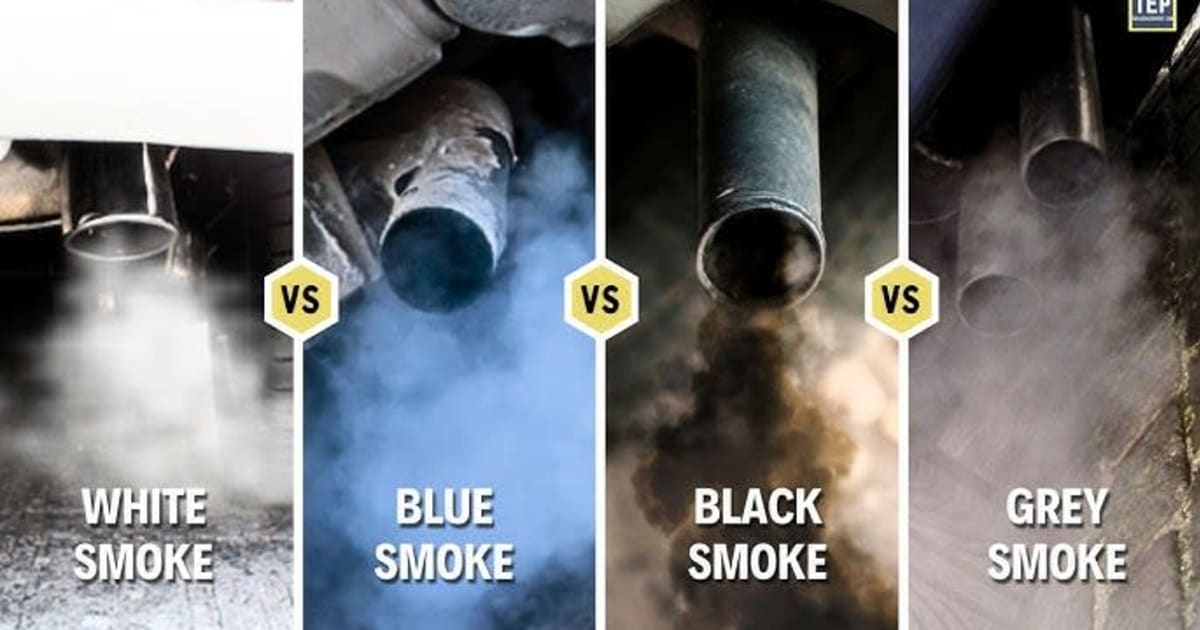
Smoke at startup or acceleration often reveals burning oil, injection, turbo or cooling problems.
Smoke at startup or acceleration often reveals burning oil, injection, turbo or cooling problems. In Cameroon, this matters because many used cars have incomplete history, partial repairs or parts replaced without invoices. A serious buyer should observe, test and document before paying.
Start with listings on MotonaMarket, then compare with our used-car buying checklist, the engine-light guide and technical-inspection failure points. These links give a control base before seeing the vehicle.
What recent sources say
Bumper on engine inspection and Samarins on checking an engine show that engine or safety inspection should be structured: cold start, observation, road test, documents and diagnostics. These sources do not replace a local check, but they confirm that small symptoms become expensive when ignored.
How to test in Cameroon
Test in real conditions: cold start, short traffic, progressive acceleration, braking, imperfect road and engine shutdown. In Douala, Yaounde or Bafoussam, a car can look correct in a car park and reveal the fault once hot or driven on a less smooth road.
Ask for invoices and history.
Run an electronic scan if the model allows it.
Compare the symptom with general condition.
Ask for a written estimate before negotiation.
Reject improvised repairs without proof.
For diesel and tired engines, read our diesel turbo, DPF and EGR guide and our filter and oil guide. For parts, see genuine parts vs counterfeits. For work, choose an automotive mechanic in Cameroon who can explain the diagnosis.
Price impact
An identified fault does not always forbid purchase. It must change price and decision. A cheaper car with unpriced risk can cost more than a more expensive but transparent car. Ask for part cost, labour, local availability and downtime.
If the transaction is ready, secure payment and documents with our Mobile Money and escrow guide. For an imported car, check the import path and manufacturer recalls.
Conclusion
Blue, Black or White Smoke should not be handled after payment. The correct order is simple: observe, diagnose, price, negotiate, then buy.
Test cold, then under load
Smoke should be observed at two moments: first startup and progressive acceleration. A little vapour at startup may disappear normally. Smoke that returns uphill, under load or after a few minutes in traffic deserves diagnosis. Ask the seller not to warm the car before you arrive.
On diesel, black smoke can come from a clogged air filter, airflow meter, EGR valve, turbo or injectors. On petrol, blue smoke can indicate tired rings or seals. Diagnosis must connect colour, smell, oil level, coolant and fault codes.
When to walk away
If the car smokes heavily, lacks power and overheats at the same time, risk is too high without a serious estimate. Even a large discount can become useless if the engine must be opened. Keep one rule: no diagnosis, no premium price.
FAQ
What is the first check?
Test the vehicle cold, verify proof and request diagnostics if the symptom appears.
Should I accept a verbal promise?
No. An invoice, scan or inspection is better than a promise.
Should the price change?
Yes if history or diagnostics are missing. Risk must be included in negotiation.
Who should verify?
A mechanic or specialist able to show measurements, not only give an opinion.
Related articles
- Mercedes ML et GLE d'occasion au Cameroun : prix, pannes connues et vérifications
- Toyota Corolla d'occasion au Cameroun : « 110 », « 115 », E120… quelle génération acheter ?
- Toyota RAV4 d'occasion au Cameroun : quelle génération acheter, à quel prix ?
- Combien vaut ma voiture au Cameroun ? Estimer un prix de revente défendable